Basic Information
| Product Name | Carbonated Hydroxyapatite | Other Name | HAP |
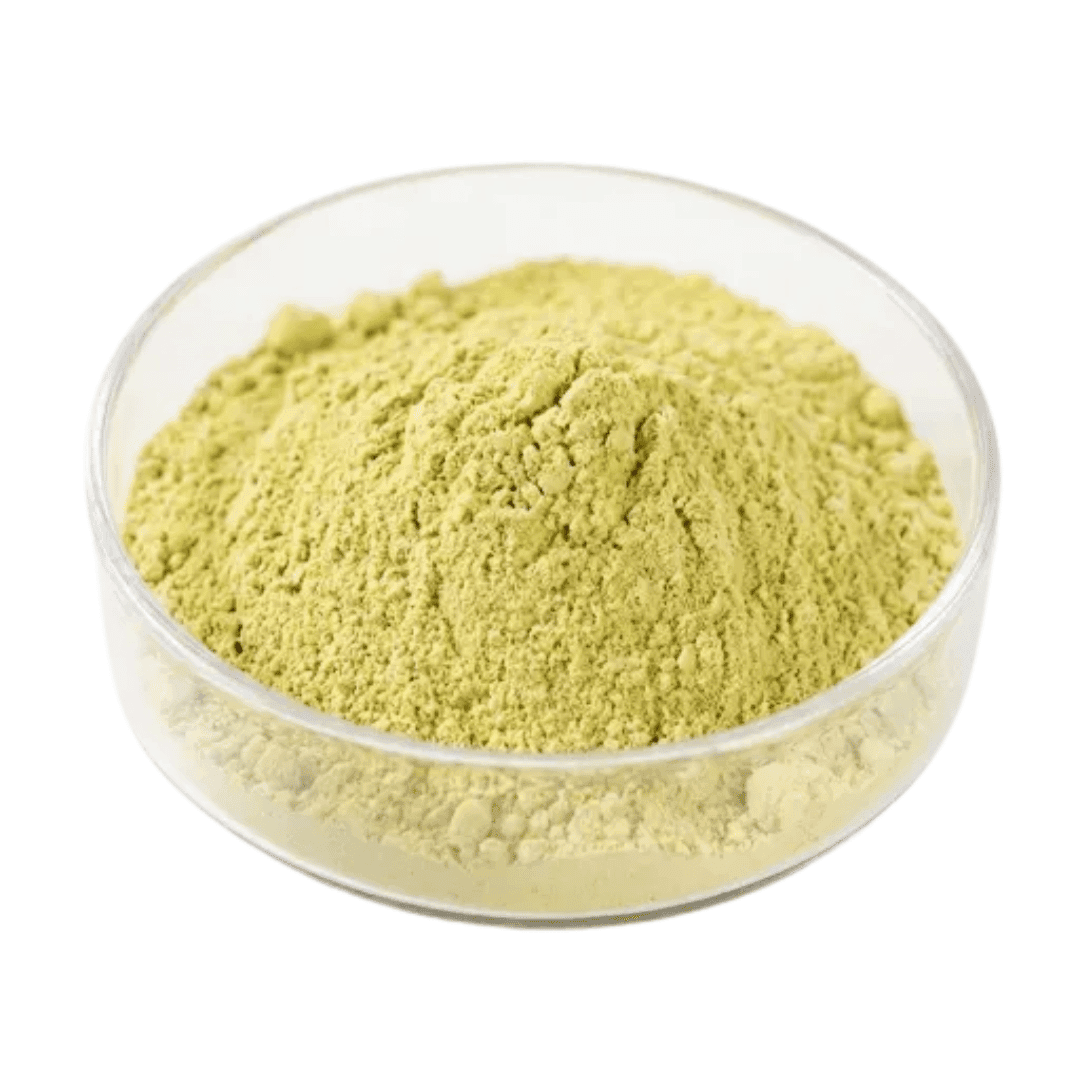
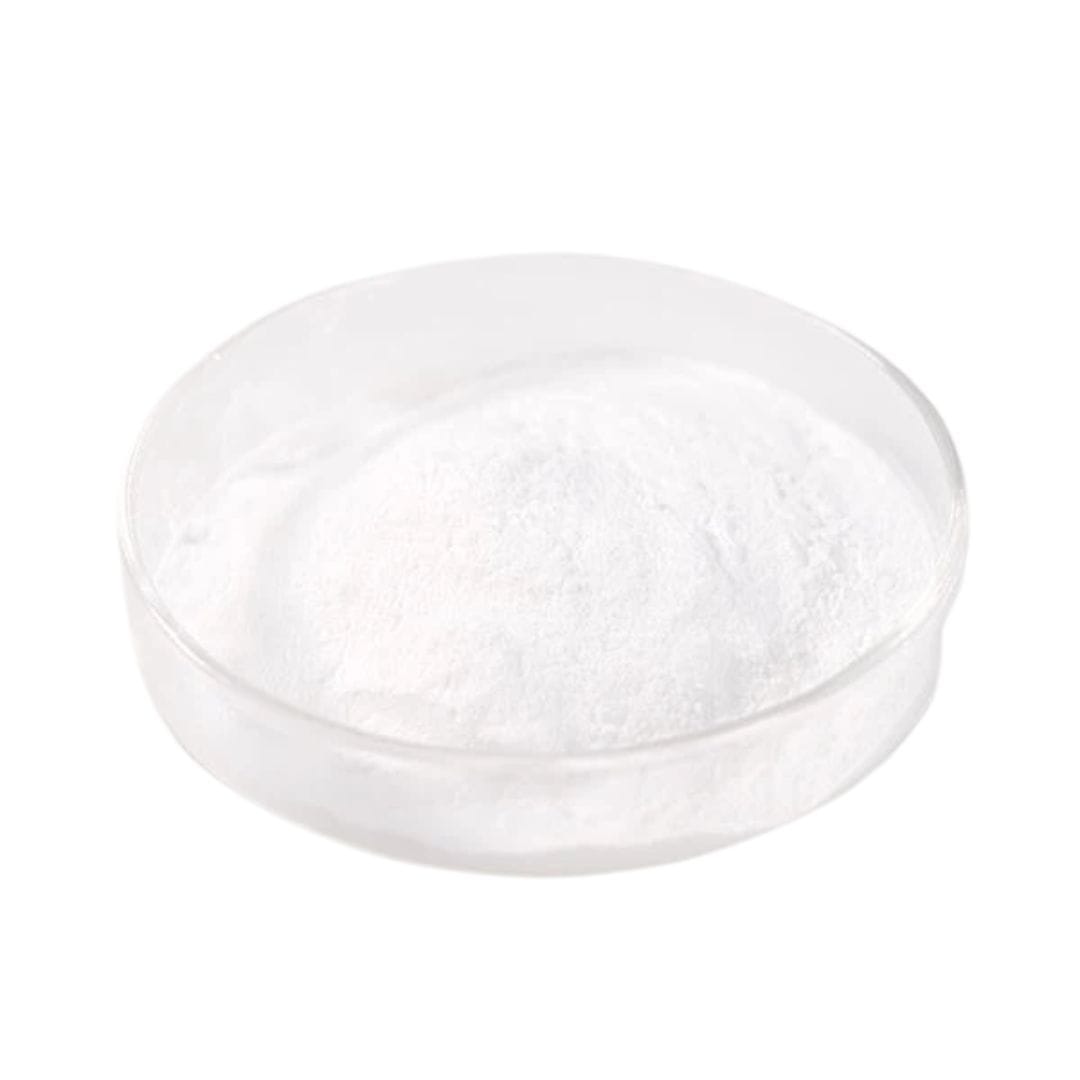
| Specification | 99% | Appearance | Fine Powder porous granules, discs or rods and nanocrystals |
| Molecular Formula | Ca5HO13P3 | Molecular Weight | 502.31 |
| CAS NO. | 1306-06-5 | EINECS NO. | 215-145-7 |
| Standard | USP or EP | Certifications | ISO,Halal,Kosher,SGS Report |
| Supplier | Extract Warehouse | Grade | Medical |
Introduction
Hydroxyapatite, also referred to as hydroxyapatite, is an alkaline calcium phosphate. Calcium is the natural mineralization of apatite (Ca5(PO4)(OH)3). The OH - group can be replaced by fluoride ions, chloride ions, and carbonate ions, resulting in fluoroapatite or chloride - based apatite. Its calcium ions can react with various metal ions through ion exchange to form the corresponding metal apatite (where M represents metal ions that replace calcium).
Benefits of Carbonated Hydroxyapatite
- It is used for bone replacement materials, plastic surgery, dentistry, chromatographic purification, and as a calcium supplement.
- Currently, it is widely utilized to create new products made up of tooth or bone components.
- Hydroxyapatite is widely found in the human body and milk. It is mainly distributed in the bones and teeth of the human body, as well as in milk and in casein micelles in whey.