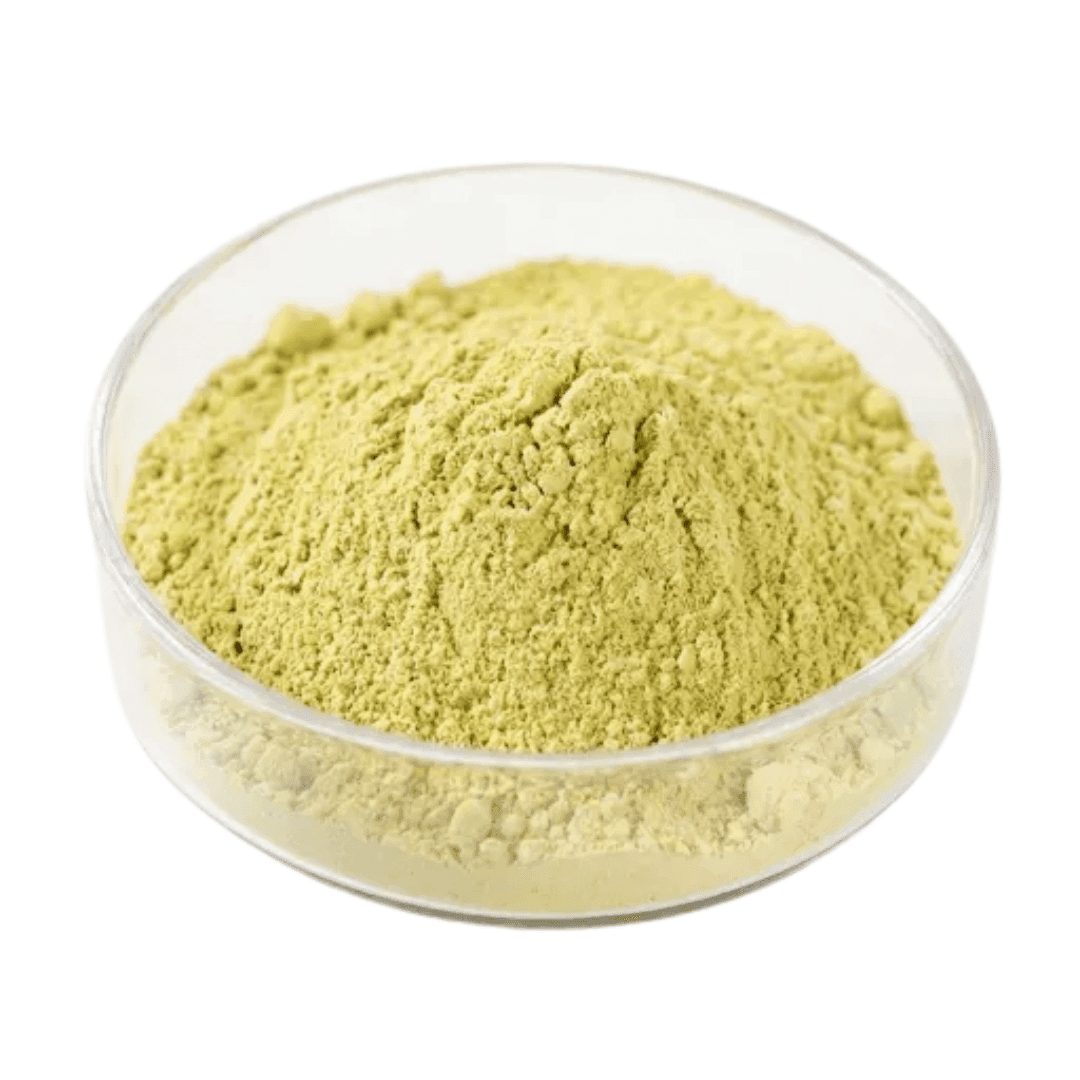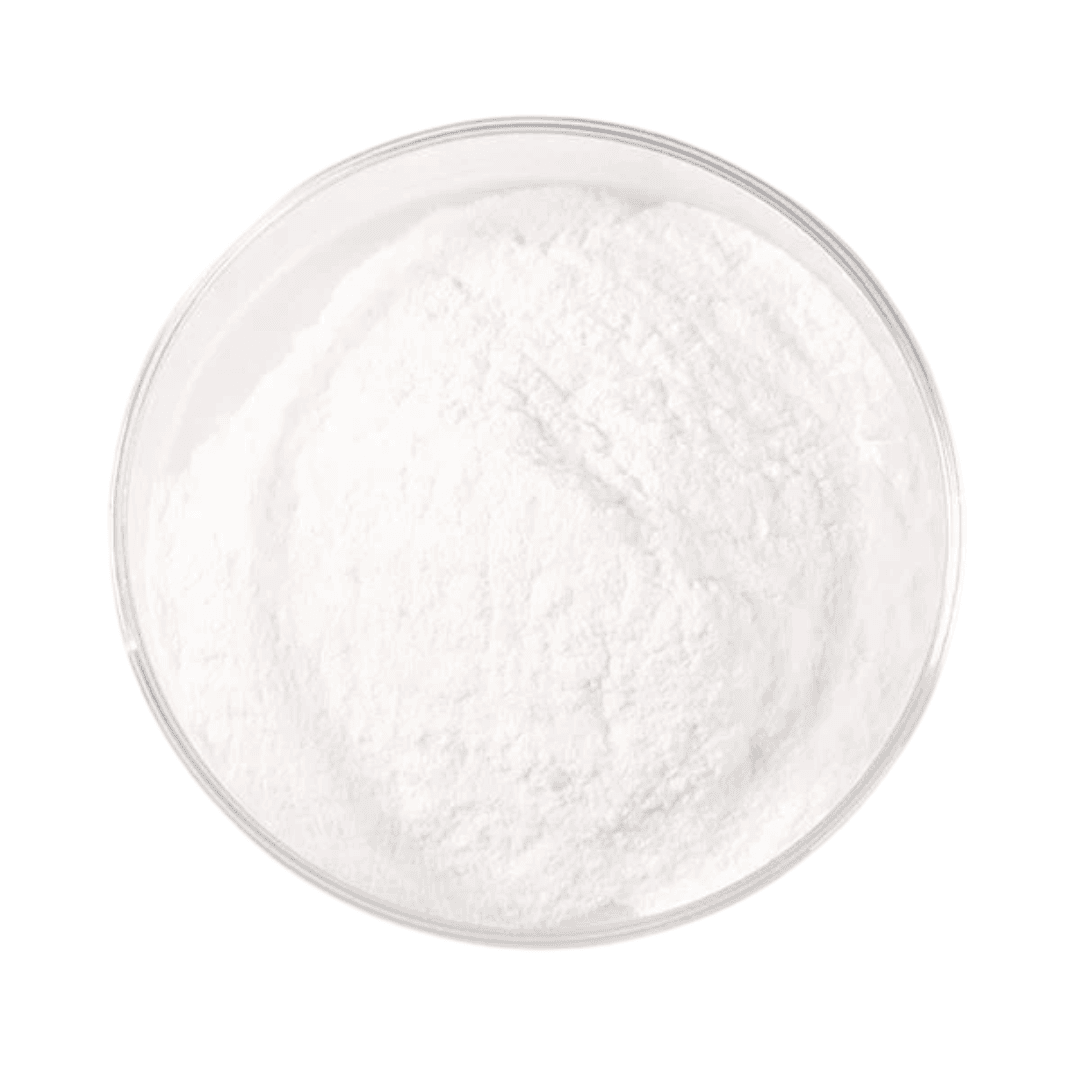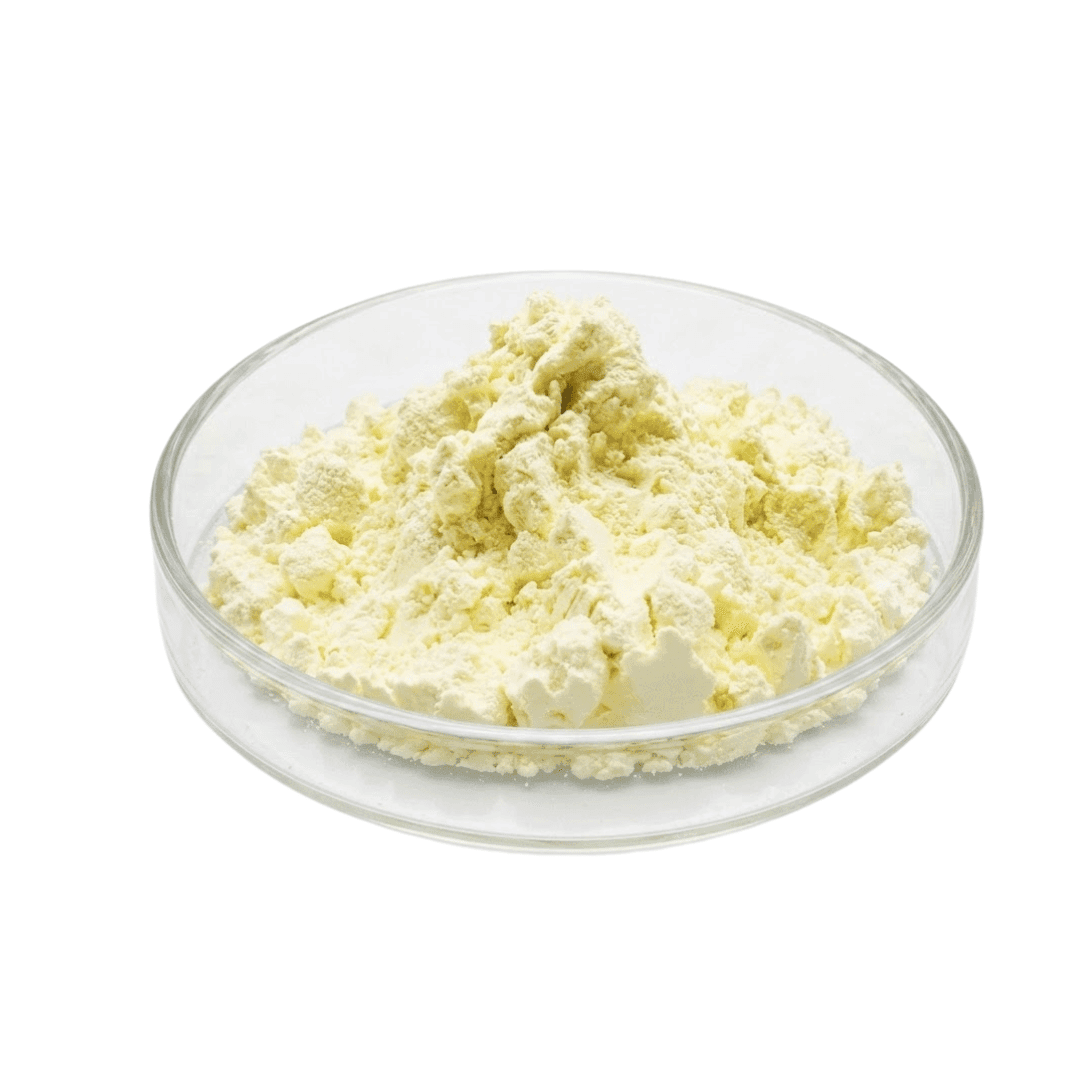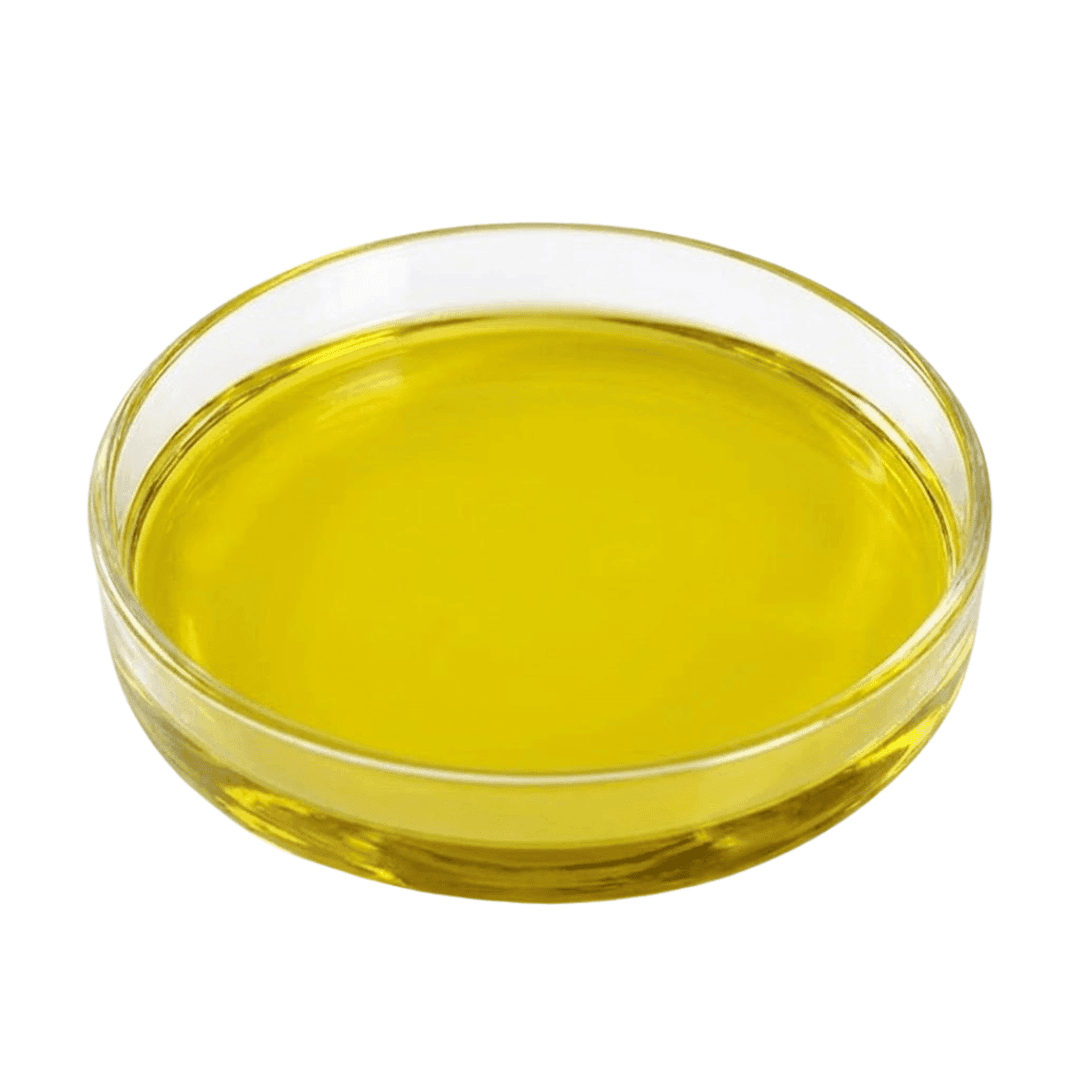
China Extract Warehouse
China Extract Warehouse is a top-tier industry brand dedicated to manufacturing raw materials including plant powders, botanical extracts, plant oils, and biopesticide products, with full custom OEM services on offer. Supported by strong technological innovation strengths and extensive accumulated expertise in natural herbal product research and development, we rank among the leading core enterprises in the global plant extract production sector. Our core operational ethos holds that innovation fuels development, and advanced technology leads the path to future breakthroughs.
WHY CHOOSE US
Our Manufacturing Site
China Extract Warehouse was established in 2004, located within the Wugong County Industrial Park in Xianyang, Shaanxi Province. Our current production campus covers a total area of 27,000 ㎡, with a yearly output capacity reaching 3000 tons. We have deployed 10 full sets of specialized extraction equipment across our production workshops, and continue to make ongoing investments to expand our overall manufacturing scale.
Our Service Principles
We adhere strictly to the operational guideline of "customer priority, integrity rooted", and have been consistently delivering high-quality, high-efficiency products and reliable support services for all our partners around the world.
Full OEM Support Available
Specializing in the production of plant powder, plant extract, plant oil and biological pesticide raw materials, we also offer fully customizable OEM solutions tailored to individual client needs.
Expert Professional Team
Our roster of experienced R&D specialists keep advancing through targeted iterative innovation, to ensure all our products are simple to use, highly convenient, and fully safety compliant, as every positive choice from our customers gives us greater motivation to keep improving.
Featured Product Portfolio
Artesunate Powder
Product Image Source & Details Link: /chinese-supplier-high-quality-artesunate
Alternative Name: Artemisia annua Extract
Sample Policy: Free test samples available
Testing Methodology: HPLC, NMR
Product Specification: 99%
CAS Number: 88495-63-0
Quality Standard: USP or EP grade
Shikimic Acid Extract
Product Image Source & Details Link: /bulk-supply-shikimic-acid-powder-best-price
Alternative Name: Shikimic Acid
Sample Policy: Free test samples available
Testing Methodology: HPLC, NMR
Product Specification: 98%
CAS Number: 138-59-0
Quality Standard: USP or EP grade
Genistein Powder
Product Image Source & Details Link: /china-supplier-genistein-powder-high-quality
Alternative Name: Herbal Genista Extract Genistein, natural genistein supplier
Sample Policy: Free test samples available
Testing Methodology: HPLC, NMR
Product Specification: 98%
CAS Number: 446-72-0
Quality Standard: USP or EP grade
Ellagic Acid Powder
Product Image Source & Details Link: /china-supplier-high-quality-ellagic-acid
Alternative Name: Pomegranate Peel Extract
Sample Policy: Free test samples available
Testing Methodology: HPLC, NMR
Product Specification: 40%, 90%
CAS Number: 476-66-4
Quality Standard: USP or EP grade
Paeoniflorin
Product Image Source & Details Link: /china-supplier-medical-grade-paeoniflorin
Alternative Name: Paeoniflorin powder
Sample Policy: Free test samples available
Testing Methodology: HPLC, NMR
Product Specification: 50%, 60%, 75%, 85%, 95%, 98%
CAS Number: 23180-57-6
Quality Standard: USP or EP grade
Dihydroartemisinin Powder
Product Image Source & Details Link: /china-supplier-best-dihydroartemisinin
Alternative Name: Dihydroartemisinin
Sample Policy: Free test samples available
Testing Methodology: HPLC, NMR
Product Specification: 98%
CAS Number: 81496-81-3
Quality Standard: USP or EP grade
ATP Adenosine Triphosphate
Product Image Source & Details Link: /adenosine-triphosphate-atp
Alternative Name: ATP powder; Adenosine Triphosphate
Sample Policy: Free test samples available
Testing Methodology: HPLC, NMR
Product Specification: 95%, 98%
CAS Number: 987-65-5
Quality Standard: USP or EP grade
Silymarin Milk Thistle Extract
Product Image Source & Details Link: /best-silymarin-price-milk-thistle-extract
Alternative Name: Silymarin; Milk Thistle Extract; Fructus Silybum Marianum Extract
Sample Policy: Free test samples available
Testing Methodology: HPLC, NMR
Product Specification: 80%
CAS Number: 65666-07-1
Quality Standard: USP or EP grade
Hirudin Leech
Product Image Source & Details Link: /china-supplier-medical-grade-best-hirudin
Alternative Name: Hirudin Powder
Sample Policy: Free test samples available
Testing Methodology: HPLC, NMR
Product Specification: 98%
CAS Number: 113274-56-9
Quality Standard: USP or EP grade
What is Lactoferrin Protein
Lactoferrin (LF), also referred to as lactotransferrin (LTF), is a multi-functional protein belonging to the transferrin family. It is a globular glycoprotein with a molecular weight of roughly 80 kDa, widely distributed across various body secretions including milk, saliva, tears, and nasal discharge. Lactoferrin can also be found in the secondary granules of polymorphonuclear leukocytes, and is secreted by certain acinar cells. It can be purified directly from milk, or produced via recombinant biotechnology.
Core Advantages of Lactoferrin Protein
Immune System Support
Multiple studies have confirmed lactoferrin helps boost immune response and delivers immunomodulatory effects: it supports antiviral activity, enhances the body's resilience to cope with immune stressors, and helps maintain a healthy, balanced immune status.
Antiviral Properties
Lactoferrin cuts down the risk of viral infection by blocking viral entry into host cells, and by amplifying the functional response of specific immune cell populations.
Antibacterial Action
The strong iron-binding capacity of lactoferrin inhibits the growth of a large range of pathogenic bacteria. It sequesters the iron that bacteria need to survive, stopping their proliferation and lowering the risk of bacterial infection.
Improves Iron Absorption
As an iron-binding glycoprotein, lactoferrin facilitates efficient iron uptake in the body, making it especially valuable for groups at risk of anemia, such as female athletes.
Nutraceutical Functions of Lactoferrin Protein
Nutraceutical ingredients including carbohydrates, proteins, amino acids, vitamins and minerals have gained growing attention for their wide range of nutritional and health benefits, such as disease prevention, support for normal physiological function, and improvement of overall health and performance for both humans and animals. Often called the red fraction of milk, lactoferrin is a non-heme iron-binding glycoprotein that is now widely recognized as a high-value nutraceutical protein. It acts as a critical core component of the innate immune system, with a broad spectrum of biological activities.
Previous research shows that lactoferrin supplementation adjusts the composition and diversity of gut microbiota: it elevates populations of beneficial bacteria such as Bifidobacterium and Lactobacillus, while reducing levels of potentially harmful strains from the Enterobacteriaceae family. Other studies confirm lactoferrin enhances both innate and adaptive immune responses, triggering activation of key immune cells including macrophages, dendritic cells, and T cells. For healthy elderly women, bovine lactoferrin supplementation has been shown to raise the relative abundance of the beneficial gut bacterium Holdemanella. When combined with 2.64g per day of active galactooligosaccharides (GOS) for an additional 3 weeks, the relative abundance of Bifidobacterium in fecal microbiota increased further. Meanwhile, adding bovine lactoferrin did not disrupt normal gut health indicators or the prebiotic function of GOS, and showed no negative effects on intestinal wellness.
Lactoferrin has also proven effective in agricultural applications: for laying hens kept in cages that face high risk of bone fragility, in-ovo injection of 67.5μg lactoferrin per egg successfully increased tibia bone strength, tibia weight, and overall egg weight of the mature hens. In another study, chicks fed with a corn-soy diet containing 20% total rice (with 5% transgenic lactoferrin rice +10% transgenic human lysozyme rice +5% conventional rice) outperformed the control group fed 20% conventional rice in duodenal lamina propria thickness and feed conversion efficiency.
As a powerful anti-pathogen ingredient that supports targeted immune responses, lactoferrin's bioavailability is a key concern when it is used as a nutraceutical supplement for infectious disease treatment. Special outer coating treatments for lactoferrin can greatly improve its absorption in the small intestine: enteric coating protects the protein from enzymatic degradation in the stomach, allowing it to bind to lactoferrin receptors in the small intestine for absorption and entry into systemic circulation. Research data shows that enteric-coated lactoferrin has roughly 10 times higher bioavailability and absorption rate than uncoated lactoferrin.
Structural Properties of Lactoferrin Protein
Basic Core Structure
Lactoferrin Protein is made up of two homologous structural segments, the N-lobe and C-lobe, connected via an α-helix chain: each of the two lobes contains its own independent α-helix and β-sheet structures, and each can be further split into two similarly sized sub-segments, named N1/N2 for the N-lobe and C1/C2 for the C-lobe. A single lactoferrin molecule can bind 2 Fe³+ ions alongside 2 CO₃²- ions, with each lobe capable of reversibly binding one ferric ion. Bovine lactoferrin consists of a polypeptide chain linked to two sugar chains, which folds spatially into two ginkgo-leaf-shaped similar structural domains with complete ordered secondary structures.
Iron-Bound Structure
Regardless of the source of lactoferrin, its iron binding sites are nearly identical across all variants. A bovine lactoferrin molecule contains 40 glutamic acid residues and 36 aspartic acid residues, accounting for 11% of its total amino acid count, which supports its strong metal ion chelating capacity. Each lobe has one iron binding site, where the ferric ion is coordinated by four amino acid side chains: one carboxyl group from an aspartic acid residue, two phenolic oxygen atoms from two tyrosine residues, and one imidazole group from a histidine residue. The ferric ion is further stabilized at the binding site by two oxygen atoms from a carbonate ion. For human lactoferrin, the N-lobe binds iron at the positions Asp60, Tyr92, Tyr192 and His253, while the C-lobe binds iron at Asp395, Tyr433, Tyr526 and His595.
When fully saturated with iron, lactoferrin forms a highly compact structure; when not fully saturated, only the C-lobe will retain bound iron, which means lactoferrin releases stored iron from the N-lobe first. The two lobes of iron-saturated holo-lactoferrin form a tight closed structure, while the lobes of iron-free apo-lactoferrin are more open and unfolded. Lactoferrin controls iron binding and release through the opening and closing of its specific iron binding sites in the N and C lobes. Crystallography research confirms that iron binding makes the overall conformational structure of lactoferrin significantly more compact.
Common Practical Applications of Lactoferrin
Long-Standing Ingredient in Infant Nutrition
Since lactoferrin occurs naturally in the milk of all mammals, ranking as the second most abundant major protein in human breast milk, infant formulas fortified with bovine lactoferrin are extremely well-tolerated by babies. In both Europe and China, adding lactoferrin to ready-to-use reconstituted infant formula at a concentration of 1g/L is officially approved.
This glycoprotein effectively boosts the immune system of newborns, and supports the well-documented protective health effects of breastfeeding, helping infants build higher resistance against pathogens. For many years, lactoferrin-fortified infant formulas have been widely marketed across Asian countries, the US and European regions.
Mainstream Dietary Supplement
While infant nutrition is the largest application market for lactoferrin, the ingredient is also widely used in other sectors for its unique nutritional and functional properties. As a popular dietary supplement, lactoferrin is primarily applied as a natural immunomodulator. Even with some of its mechanisms still under ongoing research, we have confirmed it effectively amplifies immune response. Two separate studies on healthy volunteers found that consuming cow milk-derived lactoferrin delivers positive immunomodulatory effects that vary based on the initial immune profile of each test subject. The results suggest lactoferrin can be used clinically to improve overall patient immune status, and even activate targeted immune responses. Currently sold lactoferrin supplements on the market can reach a purity level of 96%.
Cosmetic Industry Applications
Lactoferrin is widely added to beauty and personal care products, including makeup lines, hair care formulas, and facial/body care items. For example, its antibacterial properties make it a highly sought-after ingredient in facial cleanser products. It is also used in hair styling formulations such as hairspray to hydrate and smooth hair texture. Additionally, lactoferrin stimulates skin cell metabolism, and delivers anti-aging benefits thanks to its antioxidant properties that scavenge free radicals.
Oral Hygiene Sector Use
Lactoferrin's strong iron affinity gives it excellent bacteriostatic effects: it reduces levels of free ferric ions in the oral cavity, inhibiting the growth of bacteria that cause common oral issues such as bad breath, dental caries, and tartar buildup.
Effects of Thermal Processing on Lactoferrin Protein
Lactoferrin's denaturation behavior is influenced by multiple environmental factors, including temperature, pH level, ionic strength, and the presence of other proteins or polysaccharides. Thermal processing is a core step in dairy product manufacturing, not only for sterilization, but also to adjust the sensory properties of finished products. High temperatures will alter the physical, sensory and nutritional attributes of milk, while causing damage to its active biological components. Lactoferrin contains 17 intramolecular disulfide bonds, so it has relatively low thermal stability. For human milk pasteurized at 62.5°C for 30 minutes, lactoferrin will undergo structural changes via thiol-disulfide exchange reactions, leading to partial or full loss of its bioactive properties.
Studies show that thermal processing changes the native secondary structure of lactoferrin, reducing α-helix content while increasing intermolecular β-sheet structures, causing color fading of the protein, raising its surface hydrophobicity and cationic surface charge, and triggering the formation of disulfide-linked protein aggregates. Heat treatment also makes the structure of lactoferrin more unfolded in newly exposed surface regions, further accelerating denaturation and aggregation. Pre-bound iron in bovine lactoferrin adjusts its tertiary structure to greatly improve its overall structural stability.
Changes in Lactoferrin Thermal Stability
Research data confirms that apo-lactoferrin denatures faster than holo-lactoferrin as temperature and heating duration increase, with the two forms having denaturation temperatures of roughly 70°C and 90°C respectively after purification. Holo-lactoferrin has a far denser structure, making it much more stable against heat stress. This difference in denaturation temperature is caused by the more compact structure formed when lactoferrin binds to iron, which increases its resistance to heat-induced denaturation.
During dairy processing, thermal treatment promotes the formation of lactoferrin-casein complexes when lactoferrin binds to casein molecules, which changes the thermal stability of lactoferrin and explains why lactoferrin in whole dairy matrix denatures faster than lactoferrin in pure aqueous solution.
Iron Binding Effects on Lactoferrin Stability
Lactoferrin can retain its iron binding capacity after being heated at 65°C to 90°C under conditions with ionic strength of 0.01 or lower. However, extended continuous thermal processing will alter the protein structure and cause iron dissociation, reducing the overall stability of lactoferrin. After standard pasteurization, samples with pre-added iron retain significantly higher lactoferrin levels than iron-free samples, which proves that strengthening lactoferrin's iron binding capacity is a viable method to maintain its stability under heating conditions. Thermal processing also triggers the Maillard reaction between lactoferrin and sugar or lipid molecules, forming Maillard reaction products (MRP) that deliver strong iron chelating ability, suggesting lactoferrin glycation may play a far more important role in its functional properties than previously recognized.
Thermal Processing Impacts on Lactoferrin Biological Activity
High-temperature pasteurization will reduce or eliminate lactoferrin activity, so improving lactoferrin thermal stability is critical to preserve its functional benefits. Mild heat treatment at 70°C for 10 minutes prior to in vitro digestion shows no significant difference in digestibility compared to unheated lactoferrin samples, but protein aggregates formed at 75°C become more digestion-resistant, reducing the release of functional bioactive peptides and lowering the bacteriostatic activity of bovine lactoferrin. In recent years, non-thermal pasteurization technologies have emerged as ideal alternatives for processing, for example, hydro-autoclaving under 400MPa pressure for 5 minutes at 25°C can fully preserve bioactive components including lactoferrin in human milk samples. In addition, forming electrostatic complexes between lactoferrin and soluble soy polysaccharides during heat processing can prevent aggregation, denaturation, and loss of α-helix structure, fully preserving lactoferrin's antibacterial activity through thermal treatment.
Extraction of Lactoferrin Protein from Raw Materials
Commercial mass production of lactoferrin relies on precisely controlled extraction and purification processes using raw materials including skim milk, cheese whey, or native whey produced directly from skim milk via membrane filtration. Because lactoferrin molecules are highly heat-sensitive and lose most of their functional properties once denatured, careful low-temperature pasteurization of raw materials is mandatory, usually carried out alongside milk processing using bacteria removal separators (BRS) or microfiltration technology.
The subsequent extraction and purification process for lactoferrin combines ion exchange chromatography and multi-stage membrane filtration. The purified, concentrated lactoferrin is then converted into finished powder via gentle freeze drying or low-temperature spray drying. Traditionally lactoferrin is produced via freeze drying, and for spray drying processes, special equipment configuration is required to ensure a highly consistent, precisely controlled powder particle size distribution