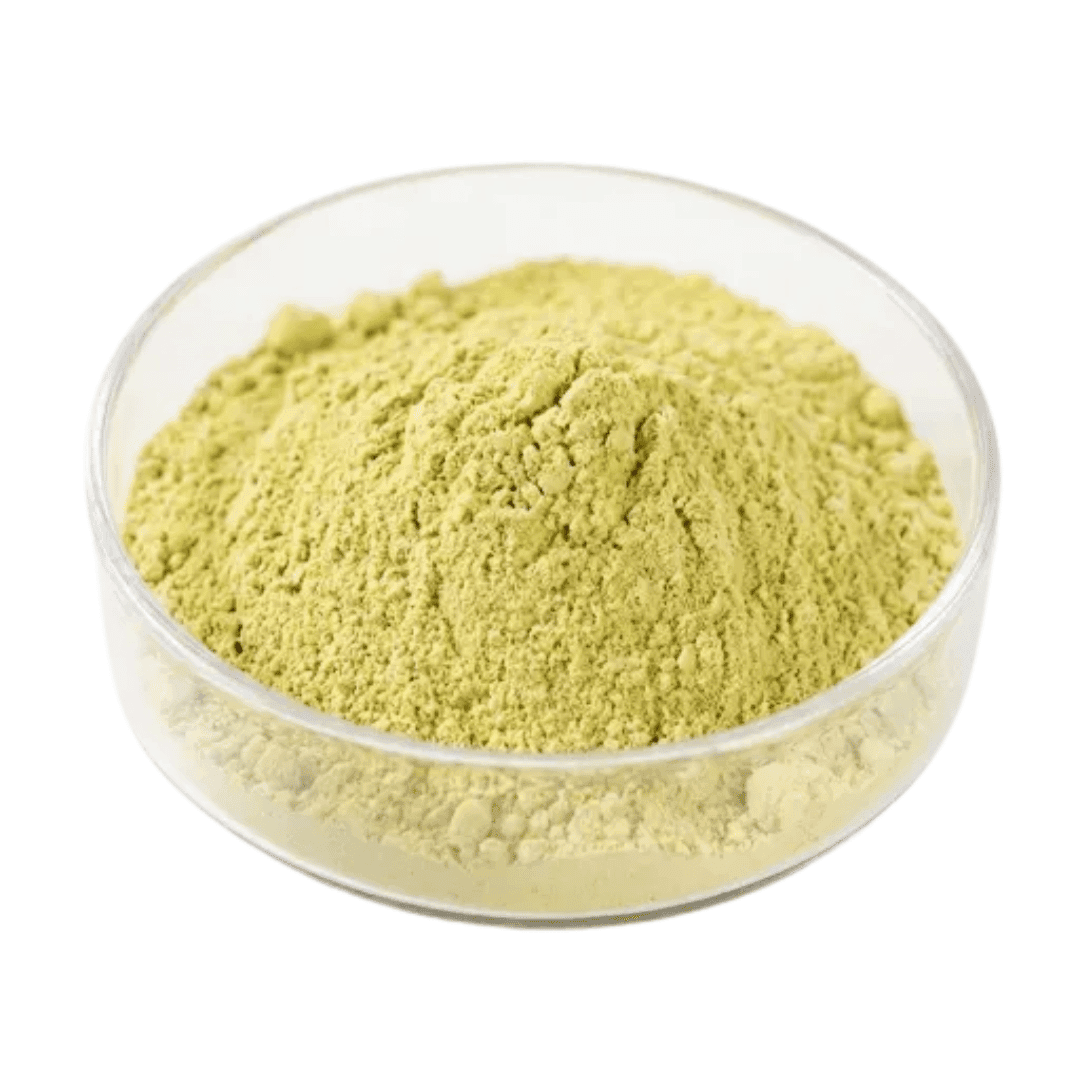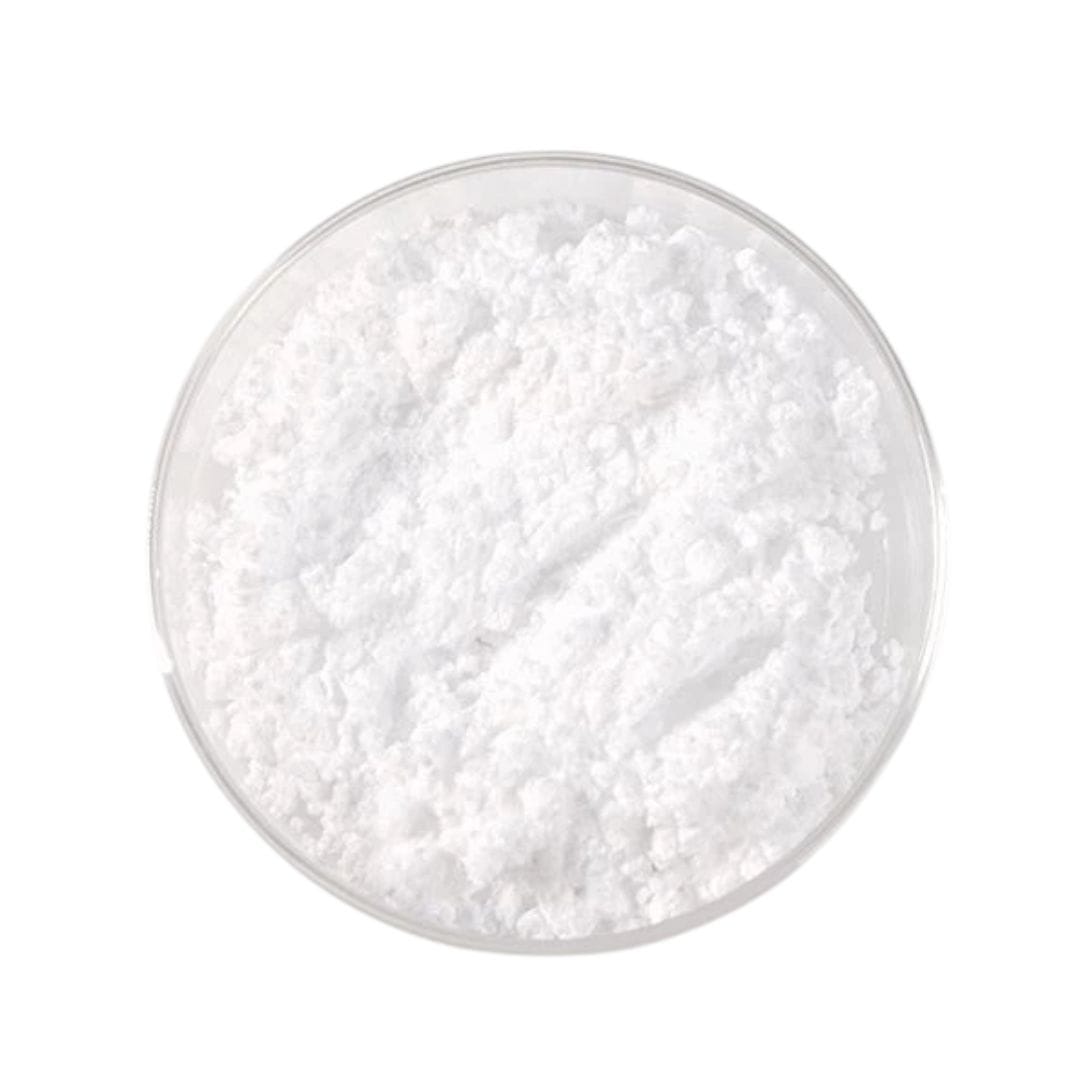
Natamycin powder (Pimaricin) is an antifungal product that has a wide - ranging and effective action. It not only restrains the growth of various moulds and yeasts but also suppresses the production of their toxins. Commercial Natamycin contains 50% of the active ingredient. Small amounts of this product can inhibit all the moulds and yeasts that lead to food spoilage. It has no impact on bacteria, so it doesn't interfere with the natural ripening process of yoghurt, cheese, fresh ham, sausage, etc.
Basic Information
| Product Name | Natamycin Powder | Other Name | Food preservative Natamycin;Pimaricin |
| Specification | 50%, 95% | Appearance | White Powder |
| Molecular Formula | C33H47NO13 | Molecular Weight | 665.73 |
| CAS NO. | 7681-93-8 | EINECS NO. | 231-683-5 |
| Standard | USP or EP | Certifications | ISO,Halal,Kosher,SGS Report |
| Supplier | Extract Warehouse | Sample | Free Offer |
| Structural Formula | 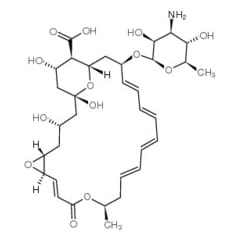 natamycin powder structural formula natamycin powder structural formula | ||
What Is Natamycin?
It is a white - to - yellow, tasteless and odourless crystalline powder. It is highly stable in its crystal form. Its solubility is very low in water and most organic solvents. Only 50mg of Natamycin can dissolve in pure water at room temperature. This low solubility makes it very suitable for use on the surface of food. It will remain on the food surface where most moulds and yeasts are likely to grow, without affecting the natural fermentation process inside. It has little or no influence on the sensory qualities and is not known to cause allergic or sensory reactions.
Uses of Natamycin Powder
As a food preservative, using Natamycin on the exposed surface of food where moulds and yeasts may grow can achieve an ideal result. This is particularly useful in cheese production, as it prevents mould growth while allowing the cheese - ripening bacteria to grow and metabolize normally. The product should be stored in a dry, cool (not exceeding 15°C) place, in its original sealed container, and protected from direct sunlight.
Applications of Natamycin Powder
It is a fungicide used to prevent cheese from becoming mouldy. It functions by creating holes in the cell membranes of fungi, causing their internal contents to leak out. It is produced by Streptomyces natalensis bacteria.
It is applied to cut cheese slices by dipping or spraying. In grated cheese, a dry mixture is used, usually with cellulose to prevent clumping.
Some manufacturers use it in the wax coating on cheese rinds instead of applying it directly to the cheese.
Test report
| ITEM | STANDARD | RESULT | |
| Assay (By HPLC) | 90%-102% | 95.20% | |
| Appearance | White to milky yellow crystalline powder | conforms | |
| Loss on drying | 6.0%-9.0% | 8.00% | |
| Specific rotation | -50º~-60º | -58º | |
| PH | 5.0-7.5 | 7.02 | |
| Total aerobic microbial count | ≦100CFU/g | conforms | |
| Pb | ≦1mg/KG | conforms | |
| As | ≦1mg/KG | conforms | |
| Storage / stability | In tightly closed containers, protected from humidity. | ||