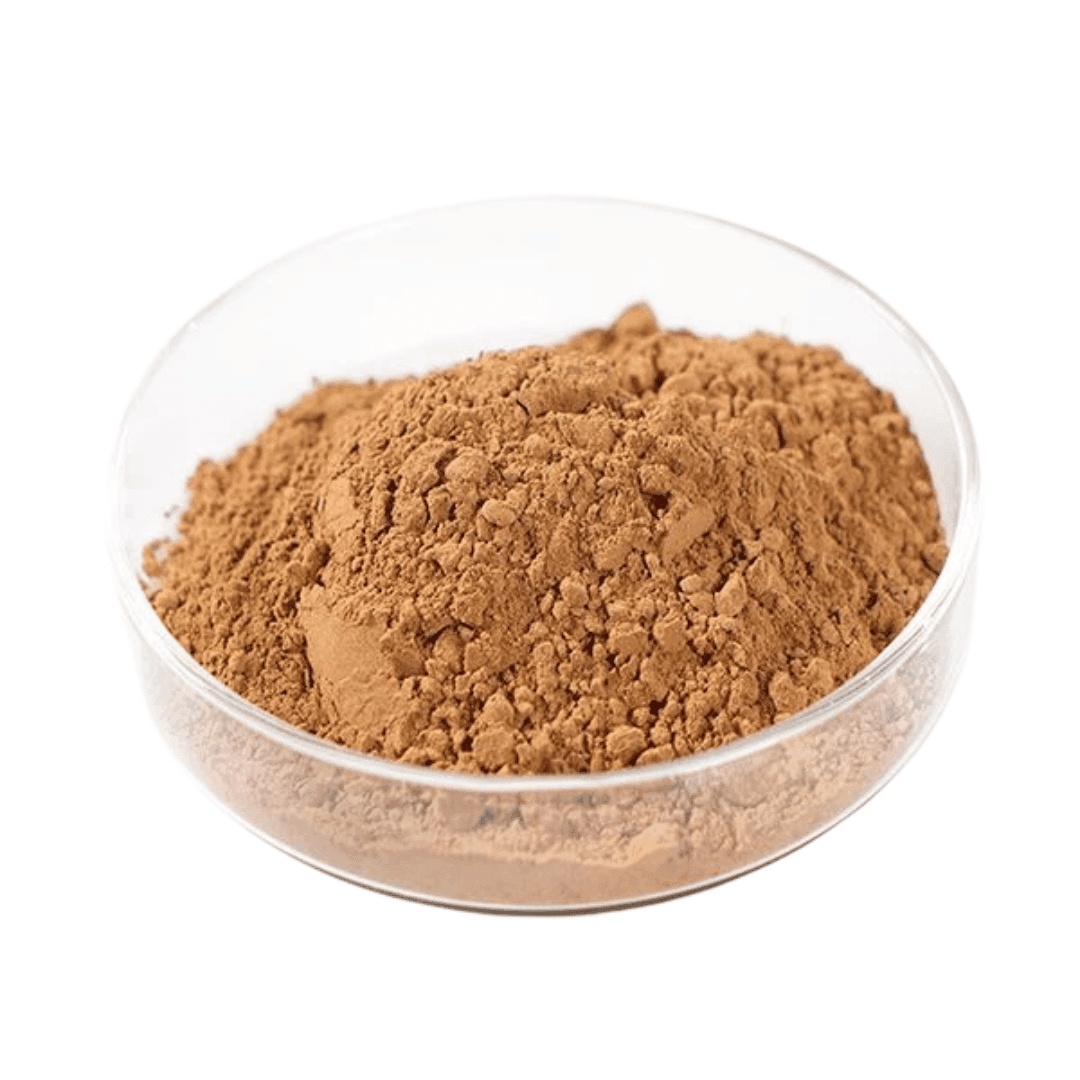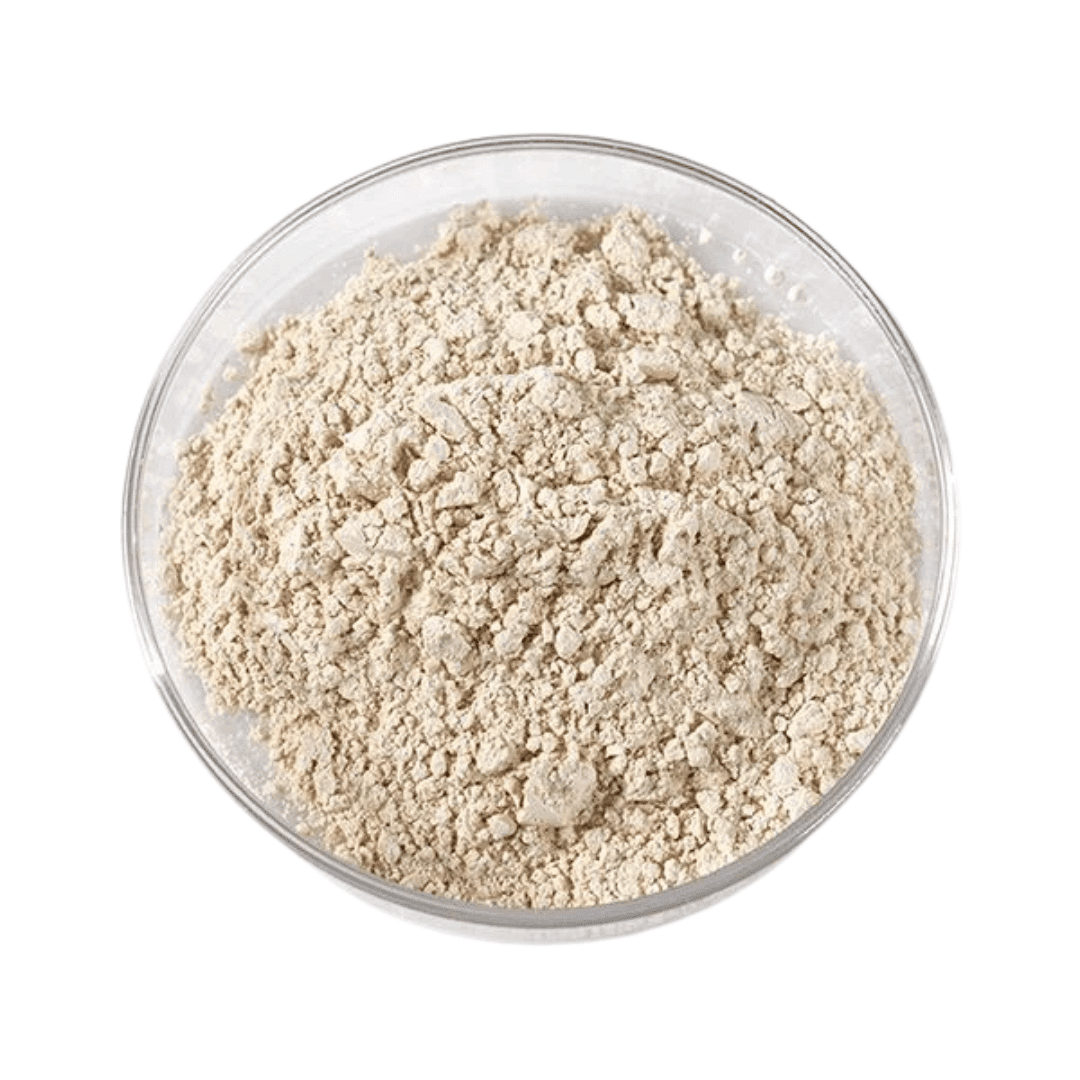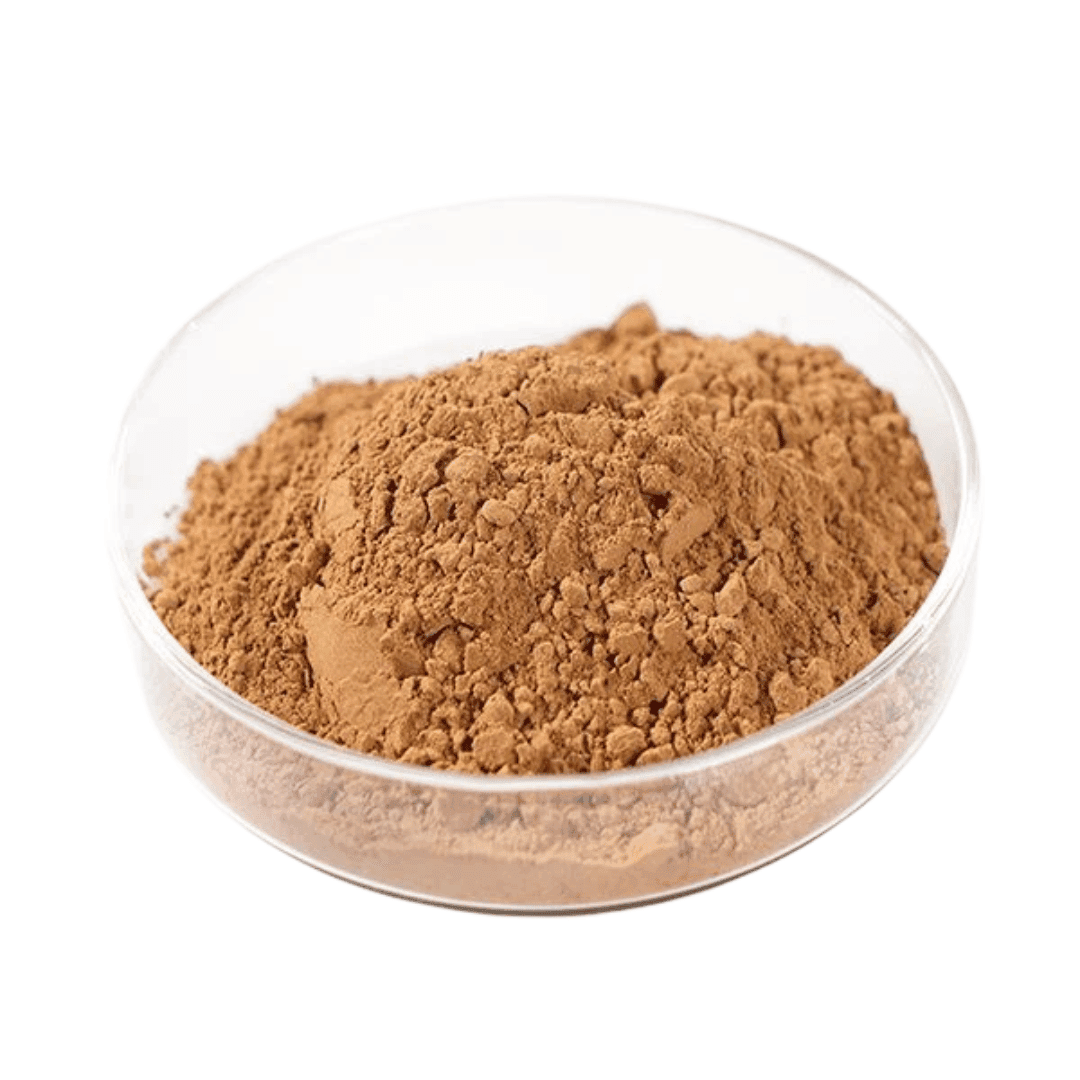
Top-Grade Professional Tea Saponin Powder Manufacturer!
China Extract Warehouse is the short brand name for our integrated natural plant ingredient supply platform, which specializes in producing raw materials including plant powder, standardized plant extracts, natural plant oils, and bio-based pesticide products, with flexible OEM services available for all client demands. Supported by powerful technical innovation capabilities and deep accumulated expertise in natural herbal product R&D and production, we have long been recognized as one of the leading top-tier enterprises in the global plant extract manufacturing sector.
Why Choose To Partner With Us
Excellent Customer Satisfaction
Our comprehensive post-purchase support system is designed to fully meet all customer needs even after order completion, effectively boosting customer satisfaction, fostering long-term loyal partnerships, and driving positive word-of-mouth referrals across the entire industry.
One-Stop Full Service Solution
With years of rich industry experience and dedicated one-on-one customer support, our professional team helps you select the most suitable product formulations, and provides clear, accurate responses to all your technical questions at any time.
100% On-Time Delivery Guarantee
We fully acknowledge that time efficiency is a core pillar of successful business operations, so we strictly adhere to pre-agreed timelines and deliver every single order to our customers exactly as scheduled.
Global Market Expertise
We hold in-depth knowledge of international market rules and latest industry trends. Our expertise, years of operational experience, and global supply network cover every corner of the world, delivering convenient, localized service for clients from all regions.
Featured Full Product Lineup
Fullerene C60
Alternative Name: Carbon 60
Free test sample available
Testing Method: HPLC, NMR
Available Specifications: 99%; 99.5%; 99.9%
CAS NO.: 99685-96-8
Quality Standard: USP or EP grade4-Hexylresorcinol
Alternative Name: 4-Hexyl-1,3-benzenediol
Free test sample available
Testing Method: HPLC, NMR
Available Specification: 99%
CAS NO.: 136-77-6Pure Curcumin Extract
Alternative Name: Natural Curcumin
Free test sample available
Testing Method: HPLC, NMR
Available Specification: 95%
CAS NO.: 458-37-7Tea Saponin Powder
Alternative Name: Tea Seed Extract; Camellia Seed Extract
Free test sample available
Testing Method: HPLC, NMR
Available Specifications: 60%, 90%
CAS NO.: 8047-15-2C8 MCT Powder
Alternative Name: MCT Oil Powder; Medium Chain Triglycerides Powder
20g free test sample provided
Testing Method: HPLC, NMR
Available Specification: 100% Pure NaturalAloe Aloin
Alternative Name: Aloe Vera Extract
Free test sample available
Testing Method: HPLC, NMR
Available Specifications: 20%, 80%, 98%
CAS NO.: 5133-19-7Boswellic Acid Extract
Alternative Name: Boswellia Serrata Extract
Free test sample available
Testing Method: HPLC, NMR
Available Specifications: 45%, 65%
CAS NO.: 471-66-9Cichoric Acid Extract
Alternative Name: Echinacea Extract
Free test sample available
Testing Method: HPLC, NMR
Available Specification: 1%-4%
CAS NO.: 70831-56-0Hesperidin Flavonoid
Alternative Name: Hesperidoside
Free test sample available
Testing Method: HPLC, NMR
Available Specifications: 90%, 92%, 95%
CAS NO.: 520-26-3
What Exactly Is Tea Saponin Powder?
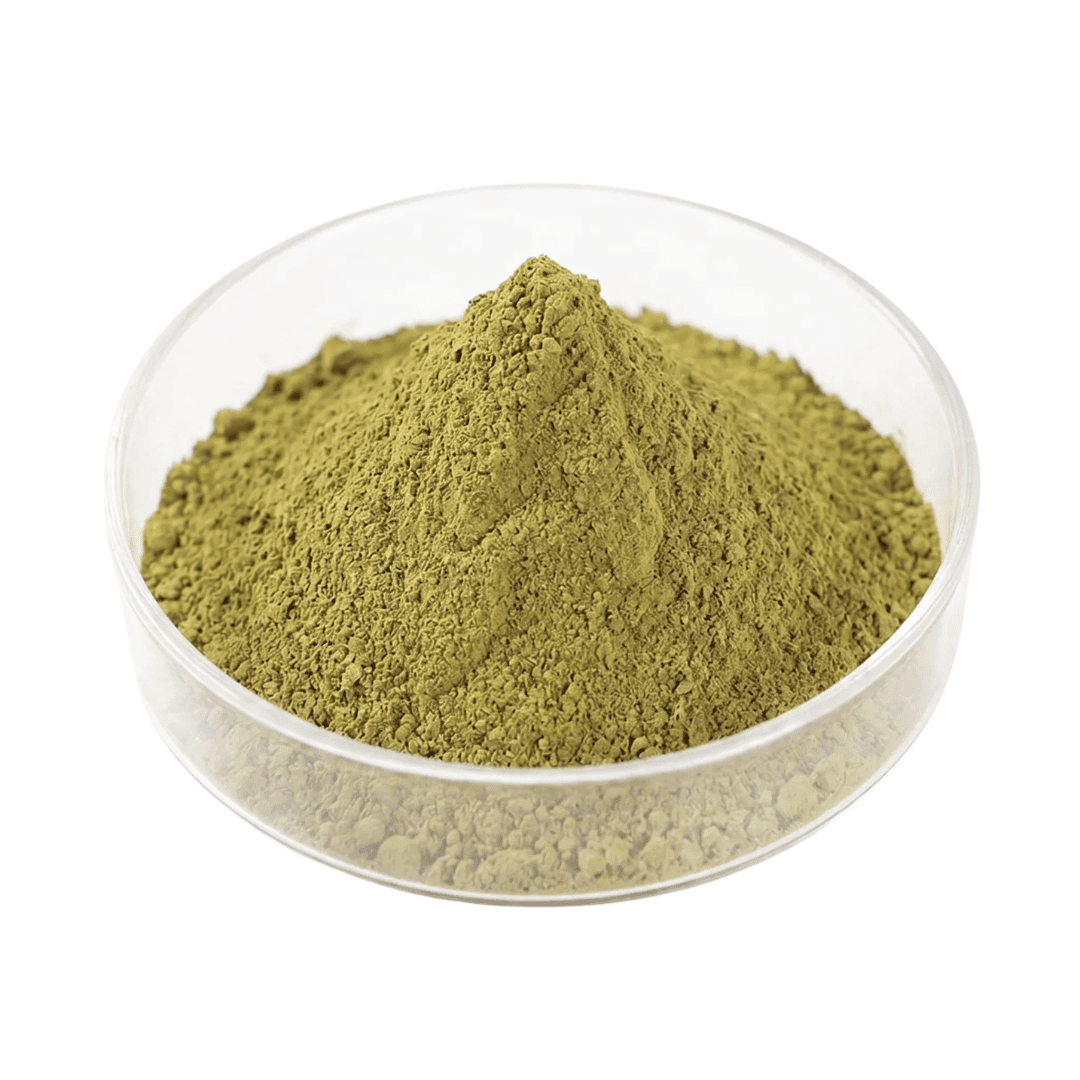
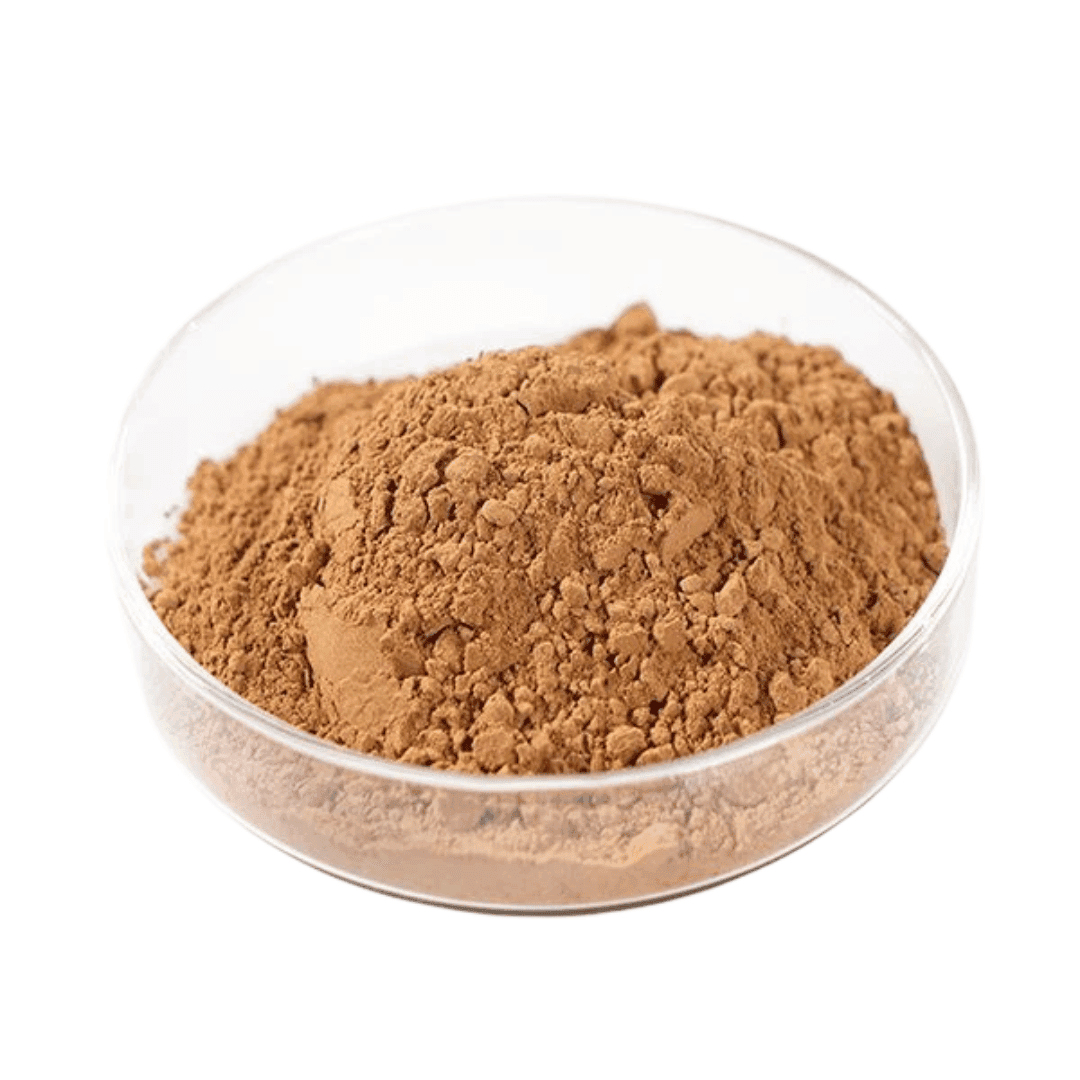
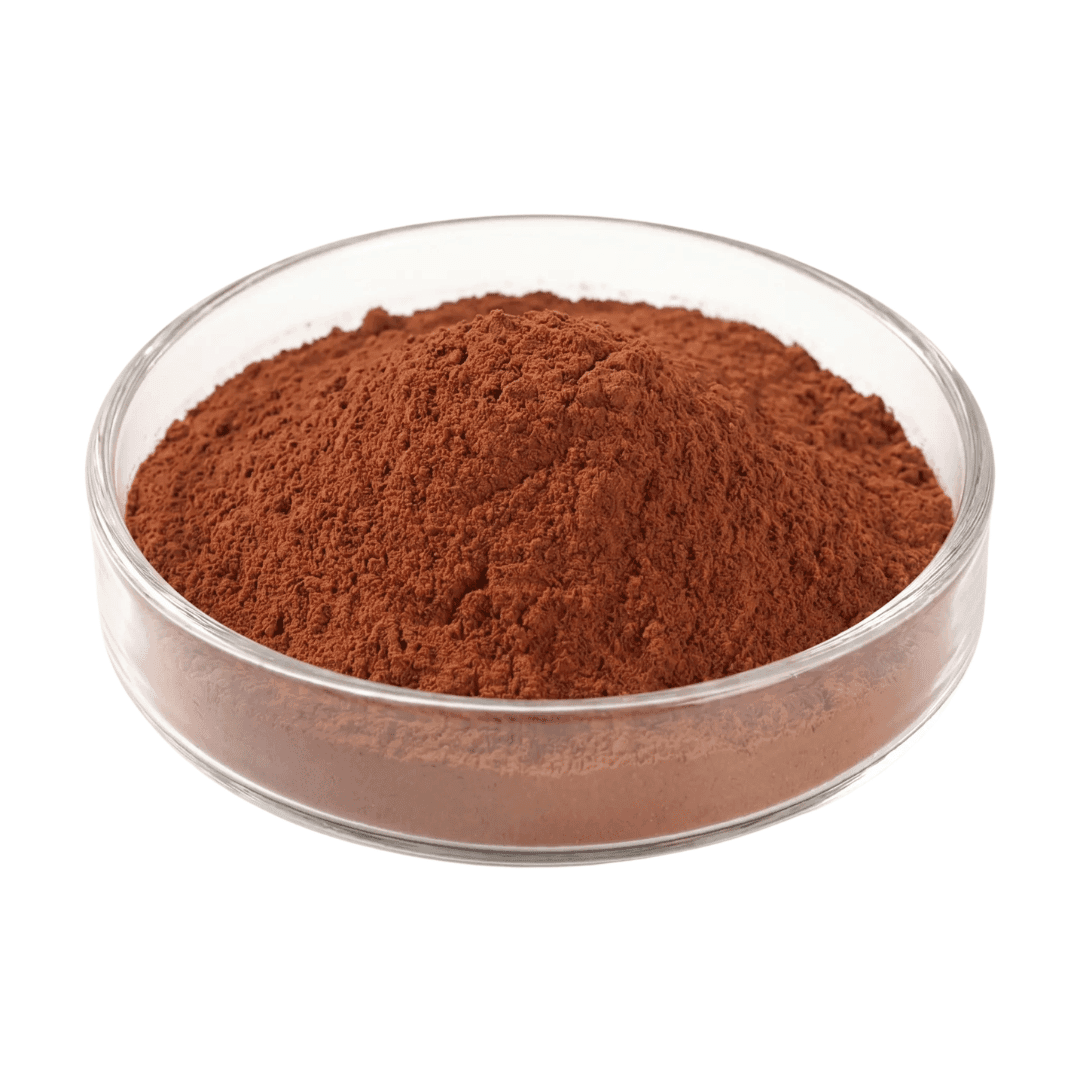
Tea Saponin Powder is a 100% all-natural plant-derived product. It belongs to the glycoside compound family, extracted exclusively from the seeds of Camellia plants. As a high-performance natural non-ionic surfactant, it is widely applied as a bio-pesticide, fungicide, and herbicide across aquaculture and agricultural production scenarios.
Aquaculture Applications of Tea Saponin Extract
Water Quality Optimization
Tea Saponin Extract is widely recognized for its inherent surfactant properties, making it a highly effective natural water conditioner. Since maintaining proper water quality is the top priority to secure the health and growth of all aquatic species, Tea Saponin Extract brings multiple key benefits:
• Reduced Surface Tension: Tea Saponin Extract lowers the surface tension of water, which facilitates more efficient oxygen exchange at the water-air interface. Higher dissolved oxygen levels are critical for the survival and healthy growth of fish and other aquatic organisms.
• Natural Algae Control: It suppresses harmful algae overgrowth by disrupting the cell membranes of algal cells, preventing excessive algal blooms that would otherwise damage the balance of aquatic ecosystems.
• Natural Detoxification: Tea Saponin Extract supports water detoxification by binding to heavy metals and other harmful pollutants, reducing their toxic impacts on aquatic life.
Effective Parasite Management
Parasitic infections pose a major risk to stable aquaculture output. Tea Saponin Extract offers a natural, low-risk solution for parasite control:
• Strong Anti-Parasitic Activity: Tea Saponin Extract has proven anti-parasitic effects, especially against the most common parasites that infest farmed fish. It disrupts parasite cell membranes to effectively bring infestations under control.
• Reduced Chemical Reliance: Adopting Tea Saponin Extract allows aquaculture farmers to cut down their reliance on harsh chemical treatments, supporting a more sustainable, eco-friendly production model.
Natural Stress Alleviation
Aquatic organisms often face high stress caused by factors such as handling, long-distance transportation, and sudden environmental shifts. Tea Saponin Extract effectively alleviates this stress:
• Visible Stress Reduction: When added to pond water, Tea Saponin Powder lowers stress levels in fish and other farmed aquatic species, boosting their overall health and environmental resilience.
• Enhanced Immune Performance: Less stressed aquatic organisms demonstrate far stronger immune response, lowering their general susceptibility to various diseases.
Improved Feed Utilization Efficiency
Tea Saponin Extract also optimizes feeding efficiency in aquaculture operations:
• Better Digestibility: It enhances the digestibility of formulated fish feed, leading to improved nutrient absorption and faster growth rates for farmed species.
• Higher Palatability: Tea Saponin Extract makes feed more appealing to aquatic species, encouraging fish and shrimp to consume their full feed ration more readily.
Fully Eco-Friendly Alternative
One of the most prominent advantages of using Tea Saponin Extract in aquaculture is its green, environment-friendly properties:
• Low Environmental Footprint: Tea Saponin Extract is fully biodegradable, and poses far lower risk to surrounding ecosystems compared to synthetic chemical alternatives.
• Excellent Sustainability: Its natural, plant-based properties perfectly align with the fast-growing global demand for low-carbon, sustainable aquaculture practices.
How Is Tea Saponin Extracted?
The production of pure tea saponin follows a set of standardized steps to fully isolate the active compounds from raw Camellia seeds. The full manufacturing workflow for Tea Seed derived Tea Saponin Powder is generally as follows:
01/ Seed Collection and Preprocessing: Mature Camellia seeds are harvested, thoroughly cleaned, and dried to eliminate all foreign impurities.
02/ Fine Grinding: The fully dried Camellia seeds are ground into fine uniform powder, to maximize the surface area available for subsequent extraction.
03/ Active Ingredient Extraction: The fine ground seed material goes through solvent extraction, most commonly using food-grade water, ethanol, or methanol as the extraction solvent, which dissolves the target saponin compounds out of the seed matrix.
04/ Filtration and Concentration: The crude extract is filtered to remove all solid seed residues, then concentrated under reduced pressure to evaporate off the extraction solvent.
05/ Purification: Additional purification processes, including column chromatography, are applied to separate and isolate high-purity tea saponin from all other irrelevant plant components.
06/ Final Drying: The purified liquid tea saponin is spray dried or freeze dried to obtain the final Tea Saponin Powder product.
Full Application Scope of Camellia Oleifera Seed Extract (Tea Saponin)
Agrochemical Additive Sector
Researchers have verified the functional properties of tea saponin, including its surface tension reducing effect, adjustable contact angle, and excellent wettability, which make it an ideal natural surfactant for the agricultural industry. Field application data shows tea saponin can be used as a wetting agent for wettable powder pesticides, making key performance indicators like wettability, pH value, and suspension rate meet or exceed national industry standards. The suspension rate of wettable pesticide powder with tea saponin added can reach 85% to 90%, and even go as high as 95% for optimized formulations. It also works as a potent synergist and spreader for emulsion pesticides. When added to soluble powder herbicides or liquid herbicides, it boosts herbicide effectiveness to a level superior to many comparable international products, and allows farmers to reduce the total dosage of pure active herbicide ingredients. As a natural biological pesticide, tea saponin also works as an effective insecticide, fungicide, and snail control agent. As a dedicated pond cleaning agent, it can eliminate undesired wild fish in shrimp farming ponds thanks to its hemolytic properties, and at the same time accelerates the growth rate of farmed shrimp. It is notoriously difficult to prevent and kill underground pest species, but specialized insecticide formulations with tea saponin as the core active ingredient can not only effectively kill cutworms, earthworms, nematodes and other common underground pests, but also leave no pollution in the soil.
Molluscicide Production Sector
Natural organic molluscicide products made from tea saponin contain no harmful ingredients, and pose no safety risk to human beings, livestock, or the broader natural environment. They are widely used in paddy fields to kill snails, especially the highly invasive Golden Apple Snail, with exceptional control efficacy. The tea saponin based molluscicide helps ensure high rice yields and top grain quality, with no harmful residual elements accumulated in the harvested crops. We can supply two different grades of tea saponin molluscicide: TSP 60% and TSL 35%, based on different production process requirements.
Aquaculture Sector
Our natural bio-pesticide product CS508, with tea saponin as the core active ingredient, is extensively used in aquaculture ponds to remove undesired wild fish and harmful insects from fish and shrimp culture systems. It can promote shrimps to molt earlier, accelerating their growth. The product degrades quickly and detoxifies completely in pond water, and poses no harm to humans or livestock that later use the water. It leaves no cumulative toxic residues, is highly accessible, and very cost-effective to use. It can effectively prevent black gill disease in farmed shrimp, control external parasites, and support normal molting and healthy growth. Thanks to its targeted hemolytic and fish toxicity properties (3ppm concentration already delivers ideal pond cleaning effects), it can be formulated as a dedicated pond cleaning agent to eliminate harmful wild fish while being completely safe for farmed shrimp at the safe working concentration of 20ppm. It is also applied in livestock breeding, to lower cholesterol levels in farmed animals, supporting the production of low-cholesterol animal food products.
Feed Additive Sector
Tea saponin based feed additives are an effective replacement for antibiotic growth promoters, helping reduce the occurrence of diseases in both farmed animals and human consumers, to boost the overall health level of the whole aquaculture and livestock breeding industry.
Construction Material Sector
Tea saponin can be used as a high-performance foaming agent and foam stabilizer in aerated concrete manufacturing. It also has natural degreasing properties, which improves the suspension performance of aluminum powder additives, enhances the stability of concrete curing, and optimizes internal pore structure, making the final concrete products stronger and more durable. Its performance is far better than traditional alternatives such as honeylocust powder and Nekal. Thanks to its strong emulsification and dispersion capacity, tea saponin is also used to produce paraffin emulsifiers, which have been successfully applied in fiberboard processing, greatly reducing product moisture absorption, improving waterproof performance, and boosting overall fiberboard quality.
Daily Chemical Sector
Tea saponin is a popular raw material for hair care products such as shampoos. It delivers excellent cleansing, hair care, anti-inflammatory, and anti-dandruff effects. It is also used in natural laundry detergents, which do not cause fabric color fading or textile shrinkage, keeping all textiles bright, intact, and in good condition.
Pharmaceutical Sector
Tea saponin has prominent anti-leakage and anti-inflammatory properties. At the initial stage of inflammation onset, it can normalize abnormal capillary permeability. It also helps regulate blood sugar levels, lower blood cholesterol, and reduces the risk of cardiovascular diseases. It has effective cough relief functions, can be used to treat chronic bronchitis in elderly populations and various types of edema. It also inhibits bacterial growth, effectively suppressing Candida albicans and Escherichia coli. In addition, it blocks alcohol absorption in the gut and speeds up alcohol decomposition in the body, making it a very effective sobering agent for people who have consumed excess alcohol.
Beverage Processing Sector
Adding a small amount of tea saponin to wine products can suppress unwanted yeast growth, ensuring consistent product quality, and it is also widely used in sparkling wine formulations.
General Cleaning Sector
Tea saponin is widely recognized as one of the best natural non-ionic surfactants, with excellent emulsifying, cleansing, dispersing and foaming properties. When used as a natural detergent for fabrics, wool sweaters, and other textiles, it delivers outstanding grease removal performance even better than many comparable international synthetic detergent products, while leaving all cleaned fabrics non-fading, bright, and soft to touch.
Oil and Mining Sector
Thanks to its strong surface activity properties, tea saponin can efficiently separate target hydrocarbon compounds. In oil exploration applications, after targeted structural modification and surface tension adjustment, our custom tea saponin based foam agent for oilfields can increase oil recovery rate by more than 24%. It is also widely used for oil well sterilization, profile control, enhanced water injection, and plugging operations. In the mining industry, it is formulated as a high-efficiency flotation agent, which significantly improves mineral flotation efficiency.
Imaging and Copying Sector
When tea saponin is used to process diazo copy paper, it greatly improves the clarity and final quality of the copied documents. When used in photographic film processing, it also significantly boosts the clarity and brightness of the final developed images.
Fire Extinguishing Agent Sector
Tea saponin has extremely high foaming capacity, and excellent fire retardant properties, making it a high-quality auxiliary raw material for eco-friendly fire fighting foam agents.
Key Characteristics of Tea Saponin Powder
Tea saponin powder, also referred to collectively as tea saponins, is a class of glycoside compounds extracted from the seeds of Camellia sinensis (tea tree) species. It has a distinct bitter, pungent taste that can irritate nasal mucosa and trigger coughing when inhaled. In its pure form, it appears as fine, white columnar crystals, with strong hygroscopic (moisture absorbing) properties. It shows a slightly acidic reaction to methyl red indicator, and is insoluble in anhydrous methanol, ethanol, diethyl ether, acetone, benzene, petroleum ether and most other common organic solvents. It is soluble in water, methanol, ethanol, acetic acid, acetic anhydride, pyridine and similar solvents. When