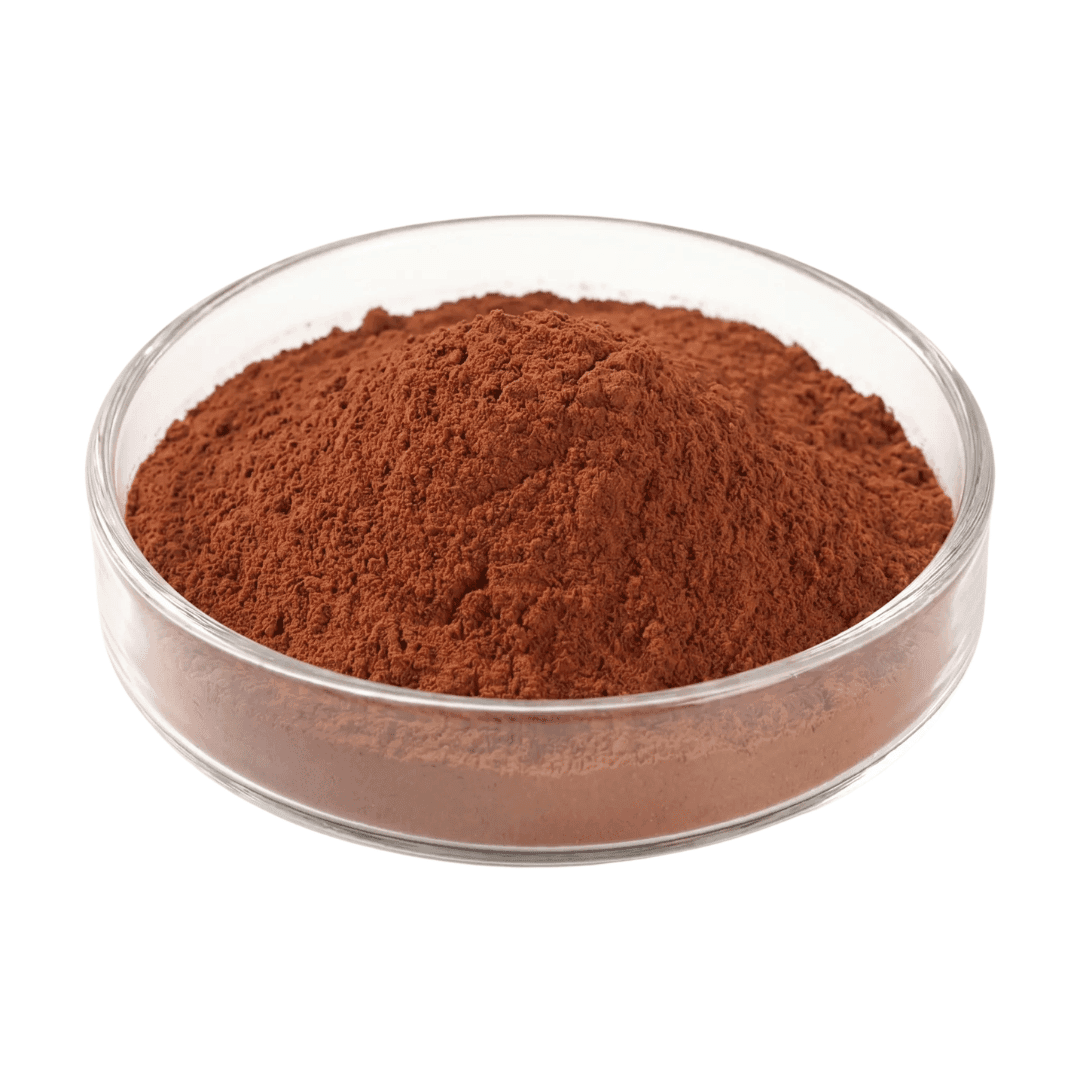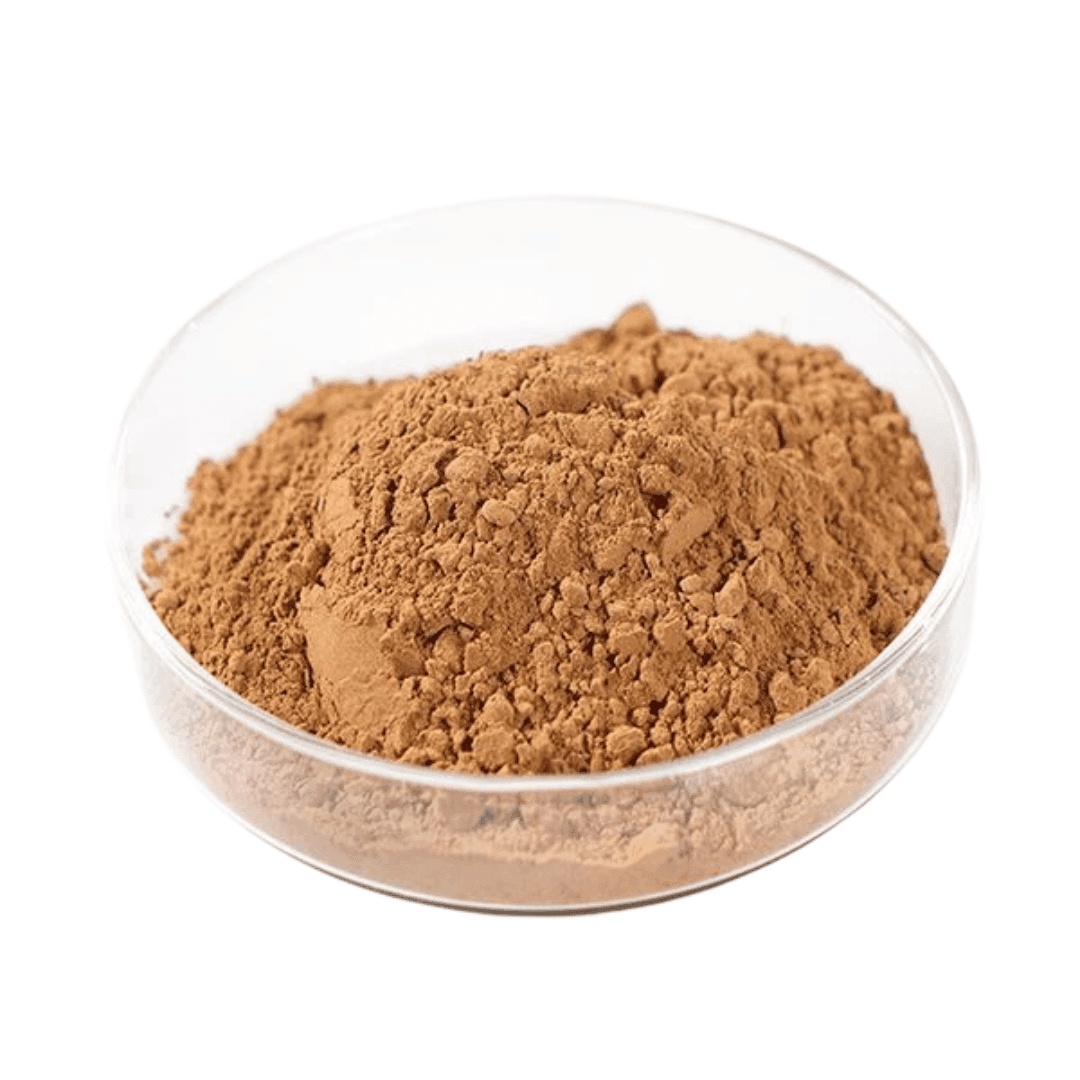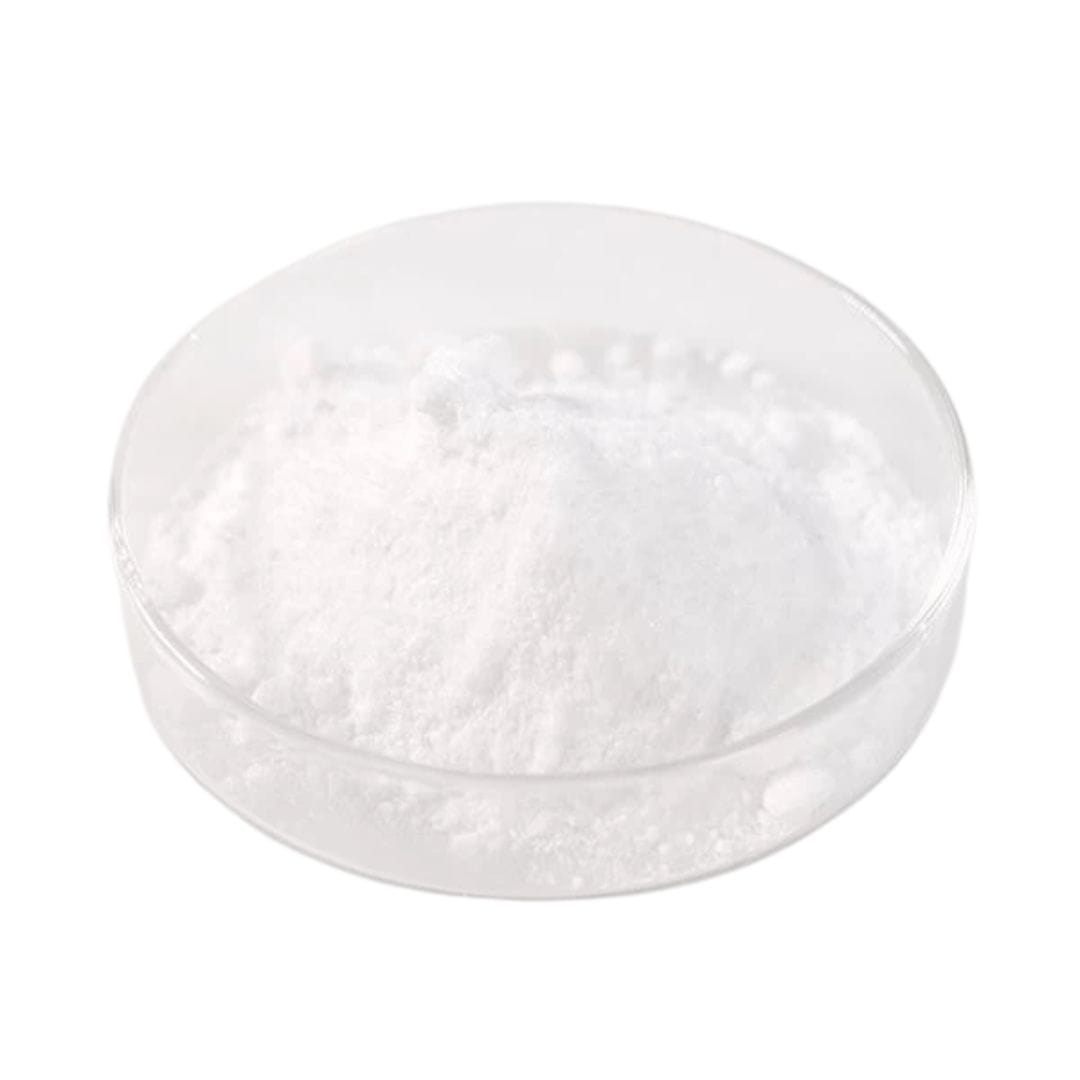
The Best Silk Fibroin Manufacturer!
China Extract Warehouse is short for [Assumed full - name if applicable], specializing in manufacturing the raw materials of plant powder, plant extract, plant oil, and biological pesticide products. OEM services are also available. With great technical innovation capabilities and a rich reserve of knowledge about natural herb products, it has been ranked among the leading plant extracts production enterprises.
WHY CHOOSE US
Customer Satisfaction
Offering after - sales services can boost customer satisfaction by ensuring that customers' needs are met even after the purchase. This can result in increased customer loyalty and positive word - of - mouth recommendations.
One - stop Solution
With extensive experience and one - to - one service, we can assist you in choosing products and answering technical questions.
We Always Deliver on Time
We truly understand the value of time in business, so we adhere to deadlines and deliver all projects to our customers on schedule.
World - wide Expertise
We are well - versed in international markets and trends. Our expertise, experience, and network cover every corner of the world.
What is Silk Fibroin
Silk fibroin is a protein obtained from the cocoon of the silkworm Bombyx mori and is composed of several subunits - the heavy chain, the light chain, and glycoprotein P25.
Debunking Myths: Dispelling Misconceptions About Silk Protein in Cosmetics
Myth 1: Silk protein in cosmetics is derived from silkworms, making it unethical or harmful to animals.
Debunking: Although silk protein comes from silkworms, it is usually obtained from abandoned silk cocoons after the silk moth has emerged. This process is not harmful to silkworms and is considered ethical. The silk protein used in cosmetics is thoroughly purified and processed to ensure its safety and effectiveness for skincare.
Myth 2: Silk protein in cosmetics is only beneficial for dry or aging skin types.
Debunking: Silk protein is beneficial for various skin types, including dry, oily, sensitive, and combination skin. Its ability to moisturize, protect, and improve skin health makes it suitable for a wide range of skincare issues, such as dryness, irritation, acne, and premature aging. Silk protein can help regulate skin moisture levels, strengthen the skin barrier, and enhance overall skin texture and appearance.
Myth 3: Silk protein in cosmetics contains allergens that can trigger skin reactions.
Debunking: Silk protein is generally well - tolerated by the skin and is unlikely to cause an allergic reaction. It is hypoallergenic and non - comedogenic, making it ideal for sensitive and acne - prone skin. However, like any skincare ingredient, individual sensitivities may vary. Therefore, it is important to perform a patch test on new products before use, especially if you have known allergies or sensitivities.
Myth 4: Silk protein in cosmetics is only used for its luxurious texture and feel on the skin.
Debunking: While silk protein gives skincare products a luxurious texture and a silky - smooth feel, its benefits go beyond sensory appeal. Silk protein has moisturizing, soothing, and antioxidant properties that can help with skin hydration, environmental protection, and overall skin health. Its unique composition and structure make it an important ingredient in skincare products for both practical and cosmetic reasons.
Myth 5: Silk protein in cosmetics is not sustainable or environmentally friendly.
Debunking: Silk protein is derived from silk, a natural and sustainable resource obtained from silkworms. Although silk production involves animal - derived components, it is generally considered sustainable when carried out responsibly and respectfully. Silk protein is biodegradable and eco - friendly, which means it degrades naturally over time, reducing its environmental impact.
THE DIFFERENT FORMS OF SILK FIBROIN FOR WOUND HEALING APPLICATIONS
Silk Fibroin Solution
Silk fibroin solution is prepared by boiling the silk cocoon in a sodium carbonate aqueous solution and then washing it to remove the glue - like sericin proteins. The resulting silk fibroin solution is then solubilized with calcium chloride, ethanol, and water. This solution is then filtered through a dialysis membrane to obtain a stable silk fibroin solution. This form of silk fibrin can be used to aid wound healing as an eyedrop for corneal epithelial wound repair or for partial - thickness skin wounds.
Nanofibrous Scaffold
Through electrospinning, the silk fibroin solution can be transformed into two - and three - dimensional fibrous structures that support cell adhesion and growth. These can be used to manufacture skin substitute products that can lead to successful skin regeneration and wound closure. With this technique, the protein solution is pushed at a controlled flow rate through a metal needle. A high voltage is applied to the needle tip, resulting in a solid fiber being pushed through due to electrostatic repulsion counteracting the surface tension in the solution. The concentration of silk fibroin in the spinning fluid directly affects the biological and mechanical properties of the electrospun silk fibroin scaffold. Therefore, the fabrication process must be optimized to develop nanofibrous structures with biomechanical properties similar to natural skin.
Silk Hydrogels
Hydrogels in an aqueous solution are three - dimensional polymeric networks with a high swelling ratio. Hydrogels are typically made from natural polymers such as collagen, chitosan, alginate, hyaluronan, and silk fibroin. The mechanical properties of the silkworm fiber, such as toughness and extensibility, are far greater than those of Kevlar and elastin. Coupled with the hydrogen bonds, intersheet hydrophobic bonds, and Van der Waals interactions in the β - sheet crystallites of silkworm silk, fibroin hydrogels have high stability and mechanical strength.
In vitro, a biomimetic hydrogel containing silk and L - proline showed a significant improvement in wound healing. The development of a pure silk fibroin hydrogel with high strength and an aligned micro - grooved topographic structure has excellent mechanical characteristics and is extremely strong. The hydrogel's biocompatibility also allows it to maintain cell viability.
Silk Sponges and Films
Silk fibroin solution can be fabricated into sponge scaffolds with an interconnected porous network and a large surface area, which allows for tissue ingrowth and cell adhesion. Fibroin sponges can be used as a dermal substitute and wound dressing material for full - thickness wounds and burns. This results in increased fibroblast accumulation, wound closure, and tissue granulation up to 28 days after treatment, with little scar formation. Fibroin films have also been shown to be even more effective when combined with epidermal growth factor for acute wound healing. Growth factors, as well as other drugs, are incorporated within the films and sponges through freeze - drying for a controlled release into the host tissue.
Silk fibroin, in several forms, including solution, films, electrospun silk fibroin nanofibre mats, hydrogels, hydrocolloid dressings, and sponges, has shown great promise as a potential biomaterial for wound healing applications. This is because it is highly biocompatible, easily available, user - friendly, and has an extremely low immune response to host tissue. In vitro and in vivo studies have had favorable results, but a deeper understanding of the mechanistic basis of silk fibroin on the wound, the effects of the material with age, and the interactions between the organic and inorganic phases of the material is needed.
What is the kind of structure of silk fibroin
Fibroin is an insoluble protein present in silk produced by spiders, the larvae of Bombyx mori, other moth genera such as Antheraea, Cricula, Samia, and Gonometa, and numerous other insects. Raw silk consists of two main proteins, sericin and fibroin, with a glue - like layer of sericin coating two single filaments of fibroin called brins.
The fibroin protein consists of layers of antiparallel beta sheets. Its primary structure mainly consists of the repeating amino acid sequence (Gly - Ser - Gly - Ala - Gly - Ala)n. The high glycine (and, to a lesser extent, alanine) content allows for tight packing of the sheets, which contributes to the rigid structure and tensile strength of silk. A combination of stiffness and toughness makes it a material with applications in several areas, including biomedicine and textile manufacture.
Fibroin is known to arrange itself in three structures, called silk I, II, and III. Silk I is the natural form of fibroin, as secreted from the Bombyx mori silk glands. Silk II refers to the arrangement of fibroin molecules in spun silk, which has greater strength and is often used in various commercial applications. Silk III is a newly discovered structure of fibroin. Silk III is mainly formed in solutions of fibroin at an interface (i.e., air - water interface, water - oil interface, etc.).
Silk fibroin in effective wound dressing
Silk materials have been shown to promote wound healing since the 1990s. Both fibroin and sericin have been found to be effective substrates for the proliferation of adherent animal cells and can be used as a substitute for collagen. Because of their excellent physical and biological properties, silk fibroin and sericin have been widely investigated for their use in biomedical applications, including wound healing materials. Medical wound dressing is a commonly used treatment for skin defects. Silk fibroin (SF) is a natural protein derived from Bombyx mori cocoons and shows potential in tissue repair applications due to its excellent biomedical properties. Numerous silk fibroin wound dressings have been developed in the lab, but the lack of large - animal studies and clinical trials has hindered their wide use in the clinic. The growing field of tissue engineering has introduced remarkable wound dressings based on natural polymers. The unique properties of SF, such as its biocompatibility, biodegradability, high water and oxygen uptake, low immunogenicity, and robust mechanical properties, make it an excellent choice for wound healing. Despite the successful use of SF in wound dressings, it is not yet approved as an artificial skin. Biomimetic wound dressings have been introduced as potential replacements for treating skin injuries. Although there are some clinically available skin replacements, the variety of wound types and locations requires a wider range of options for the clinic. Natural polymeric - based dressings are of central interest in this area due to their outstanding biocompatibility, biodegradability, low toxicity, and non - allergenic nature. Among them, silk fibroin has exceptional characteristics as a wound dressing. SF - based dressings can also be used as carriers for delivering drugs, growth factors, and bioactive agents to the wound area while providing appropriate support for complete healing. This dressing is expected to promote the health and well - being of the masses at an affordable cost. This is in line with the UN sustainable development goal (SDG) and can be very effective for smart Kashi initiatives.
Prepare Silk Fibroin
Combine distilled water, calcium chloride, and ethanol together. The resulting solution is called an Ajisawa's reagent.